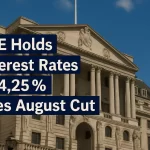
The Monetary Policy Committee (MPC) meeting is one of the most pivotal events in a country’s financial calendar. For traders, economists, financial institutions, and everyday consumers, the outcomes of these meetings influence everything from interest rates to the cost of borrowing. Understanding the MPC, its decisions, and its broader implications is critical for anyone involved in the UK economy or global markets.
What Is the Monetary Policy Committee (MPC)?
The Monetary Policy Committee (MPC) is an independent body within the Bank of England responsible for formulating monetary policy. Its primary mandate is to ensure price stability, targeting an inflation rate of 2%, while supporting the UK government’s economic policy, particularly in terms of growth and employment.
Composition of the MPC:
- 9 Members in total:
- Governor of the Bank of England
- 3 Deputy Governors
- Chief Economist
- 4 External Members appointed by the Chancellor of the Exchequer
Each member has equal voting rights. Their decisions directly influence the Bank Rate, which in turn impacts interest rates on savings, mortgages, and loans.
MPC Meeting Schedule & Frequency
The MPC meets eight times a year, usually every six weeks. These meetings are scheduled in advance and form part of the Bank of England’s monetary policy calendar.
Key Phases of Each Meeting Cycle:
- Pre-meeting briefings and data analysis
- Initial deliberations
- Final decision and vote
- Announcement of the decision (typically on Thursday at 12:00 PM)
- Publication of the meeting minutes
Each decision is released alongside a summary of the discussions, offering transparency to markets and the public.
The Core Objective: Inflation Control
At the heart of every MPC decision is the question: Is inflation under control?
The MPC aims to:
- Keep inflation close to 2%, measured by the Consumer Prices Index (CPI)
- Adjust interest rates to either stimulate or cool down economic activity
Scenarios:
- If inflation is rising: MPC may raise the Bank Rate to reduce spending and borrowing.
- If inflation is falling or economy slows: MPC may cut the rate to stimulate growth.
How MPC Decisions Impact the UK Economy
1. Interest Rates
- The Bank Rate directly influences commercial bank lending rates
- Higher rates increase borrowing costs, reducing consumer spending
- Lower rates stimulate borrowing and investment
2. Inflation Management
- Targeted interest rates help contain price volatility
- Anchors consumer expectations on future inflation
3. Currency Value
- Higher interest rates typically strengthen the GBP
- Influences import/export dynamics, affecting trade balances
4. Housing Market
- Mortgage rates are highly sensitive to MPC decisions
- Interest rate hikes can cool property prices
How to Interpret MPC Meeting Outcomes
Market participants dissect every MPC statement for:
- Voting patterns (e.g., 7–2 split suggests internal disagreement)
- Forward guidance (hints at future policy moves)
- Macroeconomic forecasts (GDP growth, inflation trends)
- Minutes and press conferences for tone and language cues
Tip for traders: Sudden changes in tone or voting behavior can signal shifts in monetary policy direction.
📅 Upcoming MPC Meeting Dates in 2025
| Date | Event Description |
|---|---|
| 6 February | Rate Decision + Minutes |
| 20 March | Rate Decision |
| 8 May | Rate Decision + Report |
| 19 June | Rate Decision |
| 1 August | Rate Decision + Report |
| 18 September | Rate Decision |
| 7 November | Rate Decision + Report |
| 18 December | Final 2025 MPC Meeting |
Why MPC Meetings Matter to You
Whether you’re a:
- Homeowner with a variable mortgage,
- Investor managing a bond portfolio,
- Business planning capital investment,
- or consumer watching prices rise,
…MPC decisions will influence your financial life.
Key Takeaways:
- Stay informed of meeting dates and outcomes
- Understand the direction of interest rates
- Align financial decisions with monetary trends
FAQs on MPC Meetings
Q1: Are MPC decisions always unanimous?
No. Voting splits are common and indicate differing views on economic conditions.
Q2: Does the MPC only set interest rates?
No. It also oversees quantitative easing and other monetary tools.
Q3: Where can I find MPC minutes?
They are published on the Bank of England website immediately after the meeting concludes.
Q4: Can MPC meetings influence stock markets?
Absolutely. Markets react sharply to unexpected rate decisions or changes in policy tone.
Stay Ahead: Monitor Economic Indicators Before MPC Meetings
Traders and analysts watch these indicators closely in the lead-up to an MPC meeting:
- CPI Inflation Data
- GDP Growth Rate
- Labour Market Reports
- Retail Sales
- PMI Indexes
- Global Economic Trends
Knowing how the economy is performing gives insight into what the MPC may decide.
Related Resources
Final Word
The MPC is a cornerstone of the UK’s economic framework. Every decision it makes reverberates through financial markets, personal finances, and government strategies. By staying informed and understanding its dynamics, stakeholders can better prepare for and respond to economic shifts.