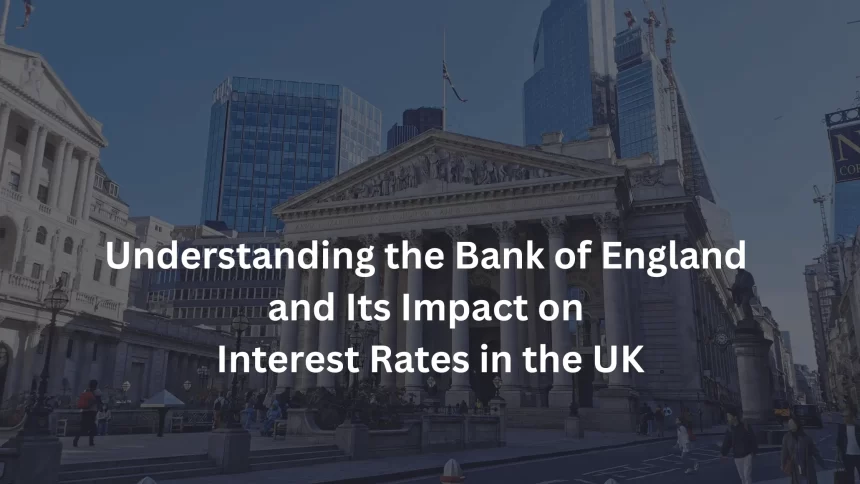
The Bank of England (BoE) plays a vital role in the UK economy, especially when it comes to setting interest rates and guiding financial stability. Whether you’re a homeowner, a saver, or a small business owner, the Bank of England base rate influences your daily finances more than you may realise. In this article, we’ll unpack the current interest rate landscape, the Bank of England base rate, upcoming reviews, and what it all means for your money.
What Is the Bank of England?
The Bank of England is the UK’s central bank. Founded in 1694, its main purpose is to maintain monetary and financial stability. It is independent of the UK government, meaning it makes decisions based on economic conditions, not political agendas.
The bank is responsible for:
- Controlling inflation
- Issuing banknotes
- Supervising UK banks
- Ensuring the UK’s financial system is stable
One of its most influential tools is the base rate, which directly affects how much interest you pay on mortgages, loans, and how much you earn on your savings.
What Is the Bank of England Base Rate?
The Bank of England base rate is the interest rate the BoE charges commercial banks to borrow money. This rate essentially acts as a benchmark for borrowing and saving rates across the UK economy.
Why Does It Matter?
- Higher base rate = more expensive loans, higher savings interest.
- Lower base rate = cheaper borrowing, but lower returns on savings.
For example, if the Bank of England interest rate goes up, banks may increase the rates on mortgages and credit cards, impacting household budgets.
Current Bank of England Interest Rate
As of May 2025, the Bank of England interest rate is [insert latest rate here]. The BoE has been adjusting rates to control inflation and respond to global economic pressures.
The decision is made by the Monetary Policy Committee (MPC), which meets roughly every six weeks.
Bank of England Base Rate – Next Review
If you’re wondering when the Bank of England base rate next review will be, you’re not alone. The next meeting of the MPC is scheduled for: Thursday, June 19th
During these meetings, the MPC assesses economic data—like inflation, employment figures, and global conditions—before voting on whether to raise, lower, or maintain the base rate.
What Could Happen at the Next Bank of England Meeting?
The next Bank of England meeting will be closely watched, especially amid concerns about inflation, wage growth, and economic slowdown. If inflation remains high, another interest rate hike is possible. Conversely, if the economy cools down, the BoE may hold or even lower the rate to stimulate spending.
How Does the Bank of England Rate Affect You?
If You Have a Mortgage:
- Tracker or variable-rate mortgage? Expect your payments to rise if the BoE increases rates.
- Fixed-rate mortgage? You’re protected—until your deal ends.
If You’re Saving:
- A higher base rate may mean better returns on ISAs, savings accounts, and fixed-rate bonds.
If You’re Borrowing:
- Credit cards, personal loans, and overdrafts could become more expensive with rate hikes.
Frequently Asked Questions (FAQ)
Q1: What is the Bank of England?
A: The BoE is the UK’s central bank, responsible for maintaining price stability and managing interest rates.
Q2: How often does the Bank of England review interest rates?
A: The MPC meets every six weeks to review and decide on the base rate.
Q3: When is the next Bank of England base rate review?
A: The next review is expected onThursday, June 19th. You can find the full schedule on the BoE’s website.
Q4: What is the current Bank of England base rate?
A: As of now, it is 4.25%, though this may change depending on economic factors.
Q5: How do changes in the BoE base rate affect me?
A: It impacts mortgage rates, savings returns, loan costs, and overall economic growth.
Final Thoughts
Keeping an eye on the Bank of England base rate is more than just financial news—it directly affects your everyday financial health. With the next Bank of England meeting just around the corner, it’s wise to stay informed and plan accordingly. Whether you’re refinancing a mortgage, saving for the future, or managing debt, understanding these decisions puts you in control.
Want to stay up-to-date on the latest BoE rate changes? Bookmark this page and subscribe to our updates!
Disclaimer: The information provided in this article is for general informational purposes only and does not constitute financial, investment, or professional advice. While every effort has been made to ensure the accuracy and timeliness of the content, the author and publisher accept no responsibility for any loss or inconvenience caused by reliance on any material contained herein.
Readers are encouraged to consult with a qualified financial adviser or official government sources (such as the Bank of England) for specific guidance related to interest rates, personal finance, or investment decisions. This article may contain opinions or projections based on current market trends as of the publication date (May 2025) and may be subject to change.